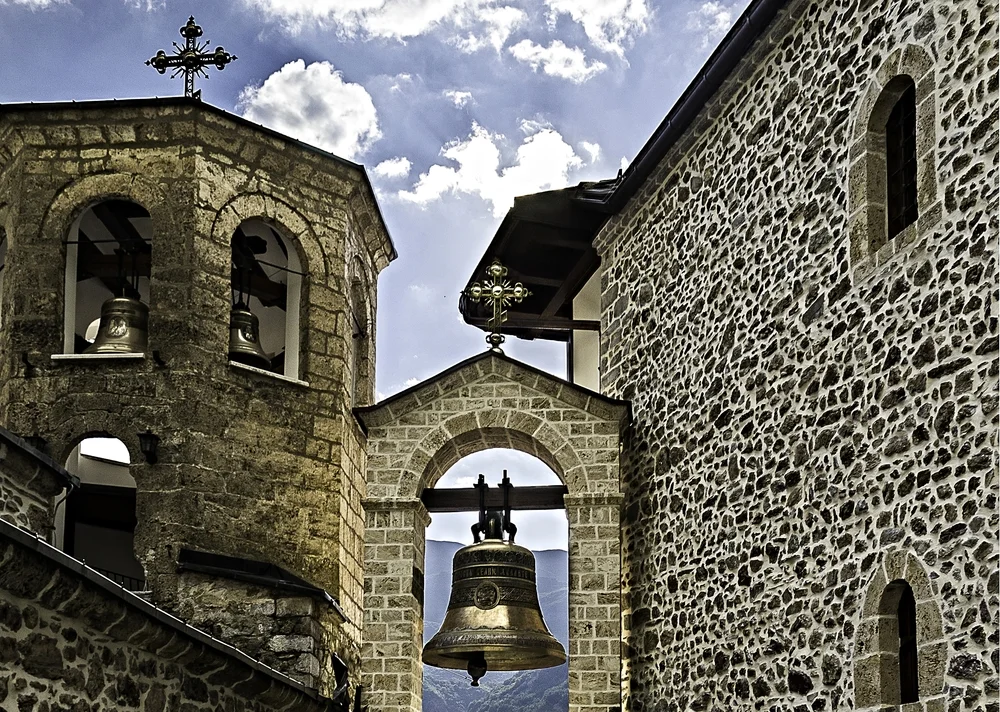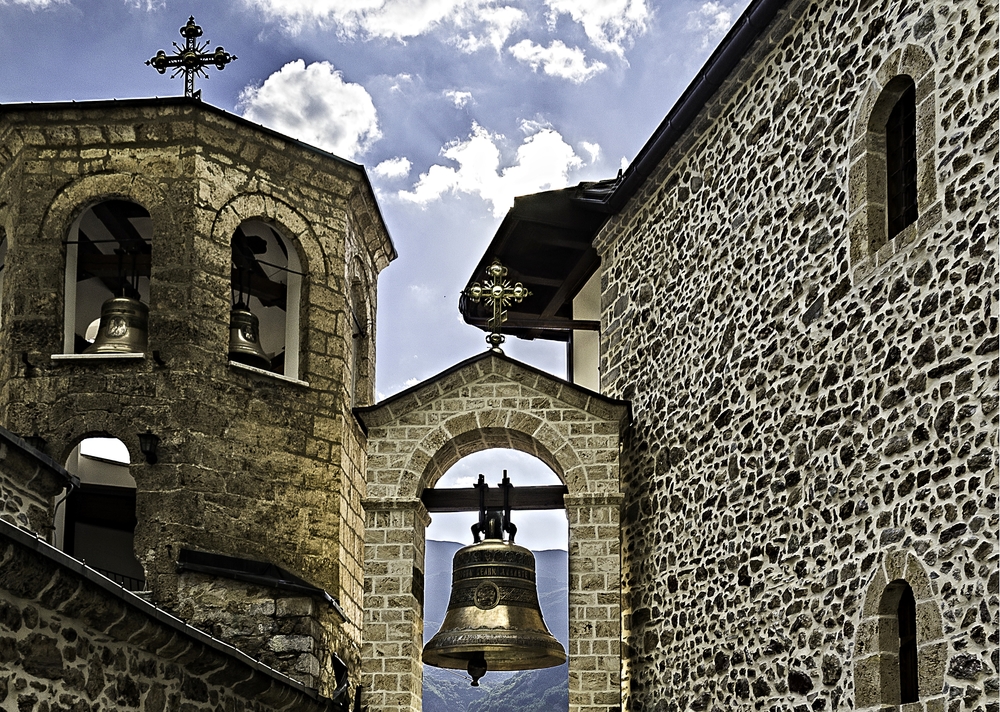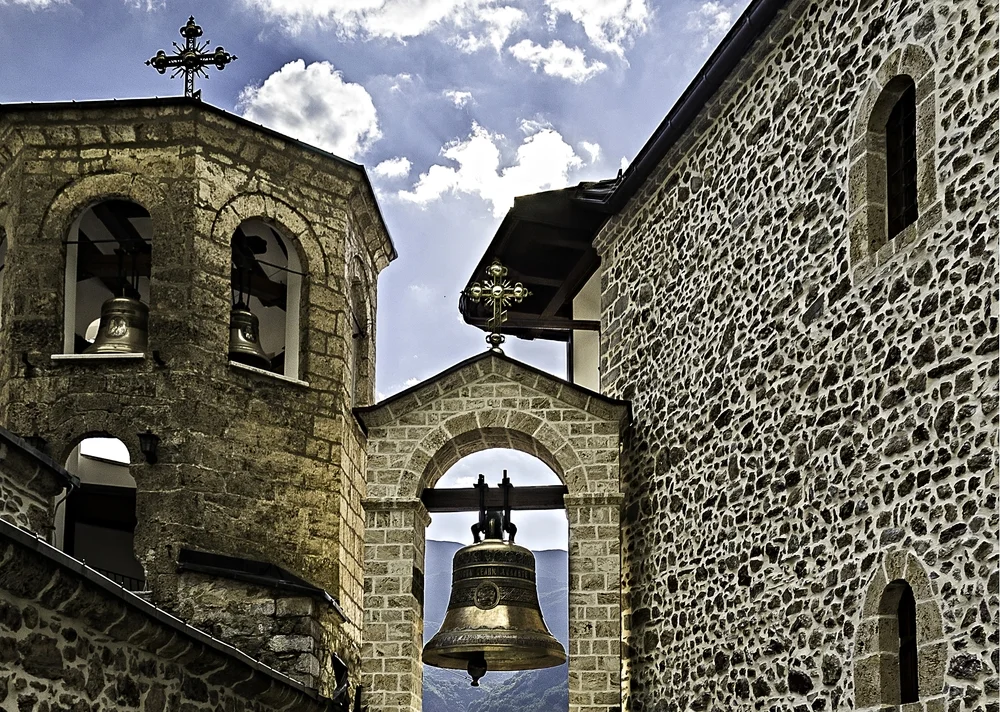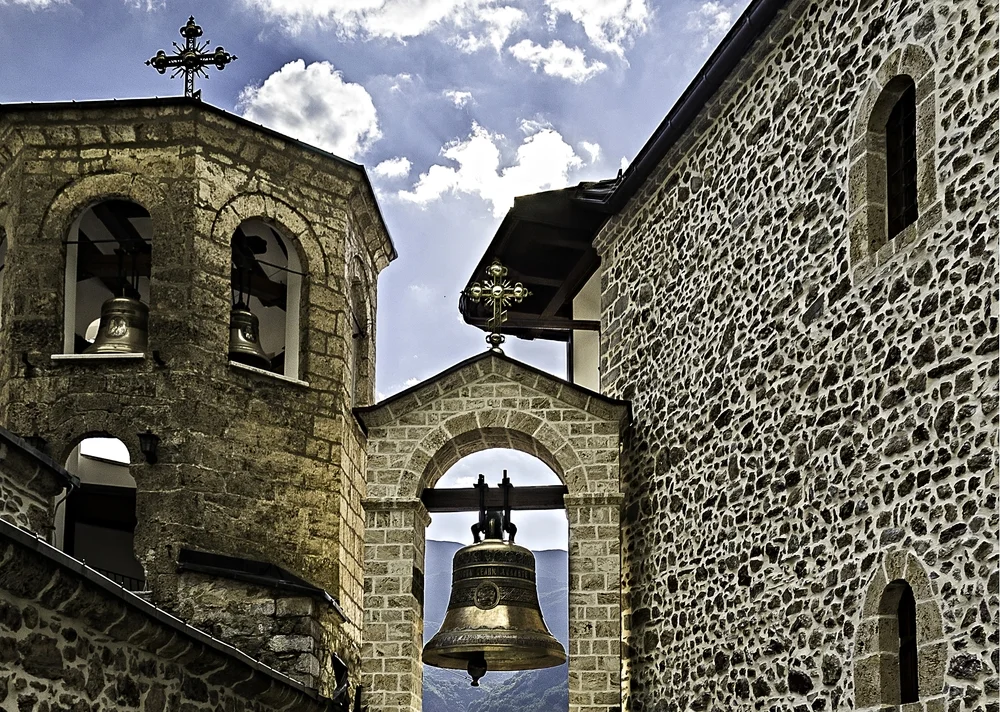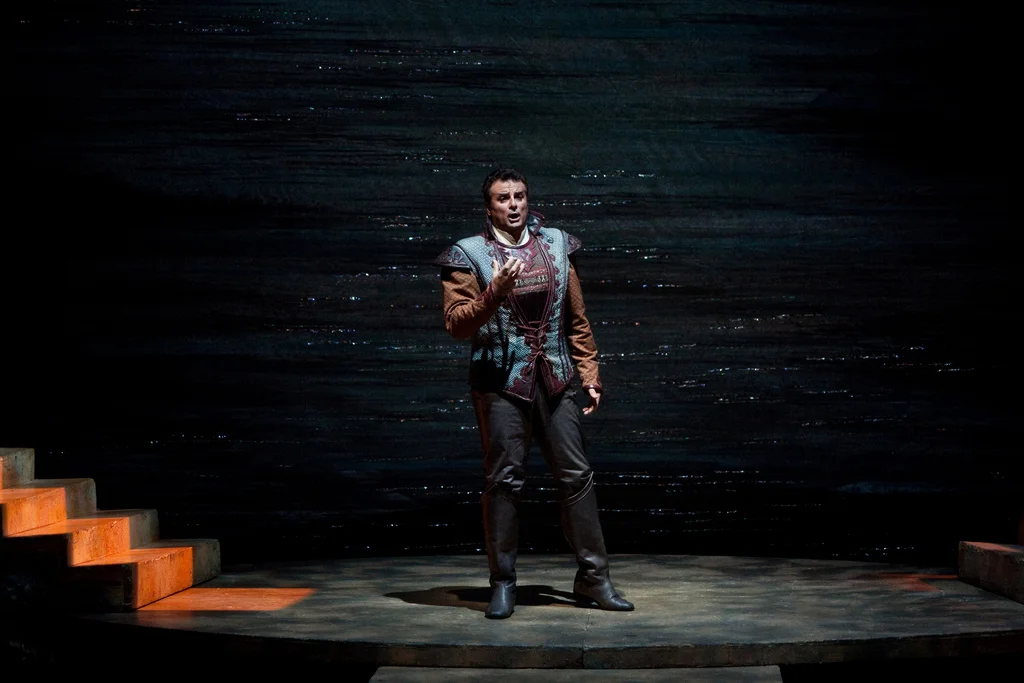
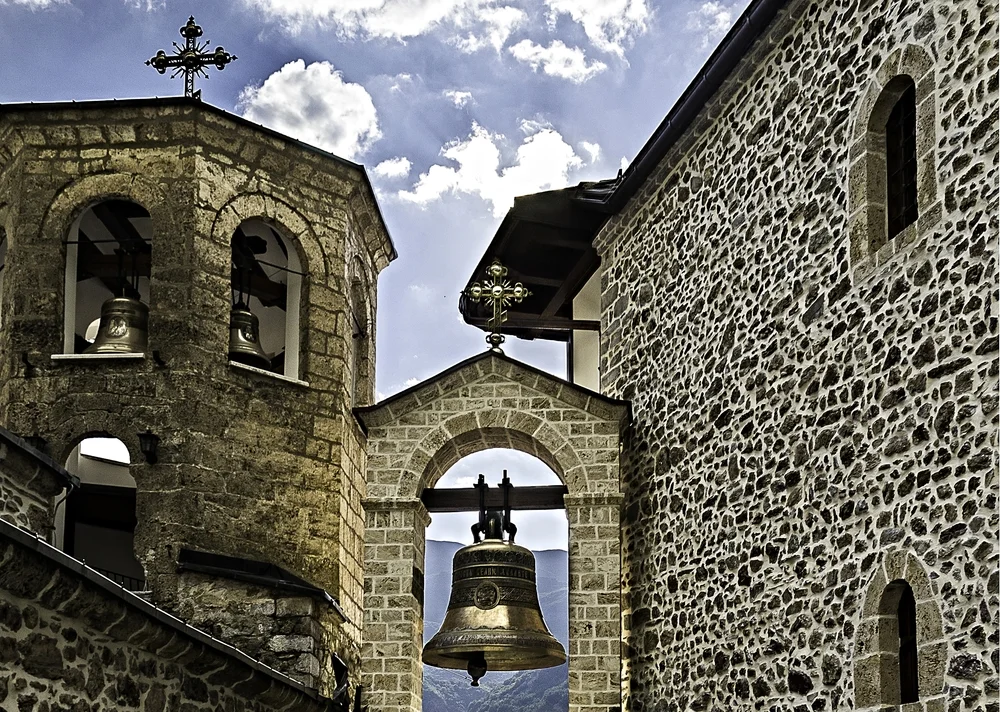
"Dextera Domini," the second of the Rheinberger hymns we began yesterday.
The right hand of the Lord hath wrought strength;
the right hand of the Lord has exalted me.
I shall not die, but live,
and declare the works of the Lord.

Summa This, Summa That
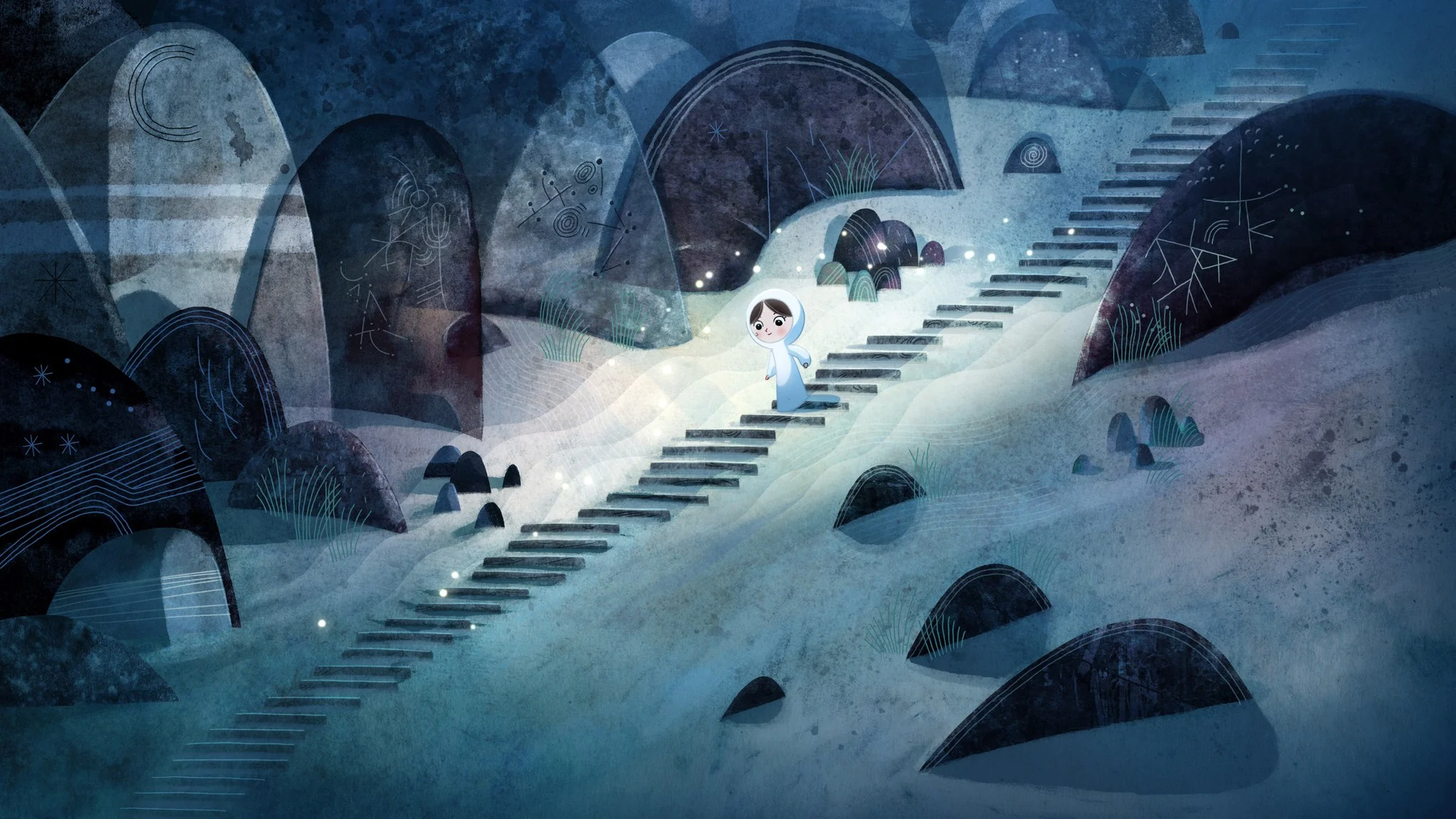
Animation is an incredibly complex (and super-humanly time-consuming) process. At least if you want Good (Even Great) Animation. And that means there are lots and lots (and lots) of cooks workin' on the animated broth. In this case, there were clearly not the proverbial "too many," but the question of how one ends up with a single creative vision when the work's being done by so many hands is a fascinating one. (I suspect Moore is mostly to blame.)
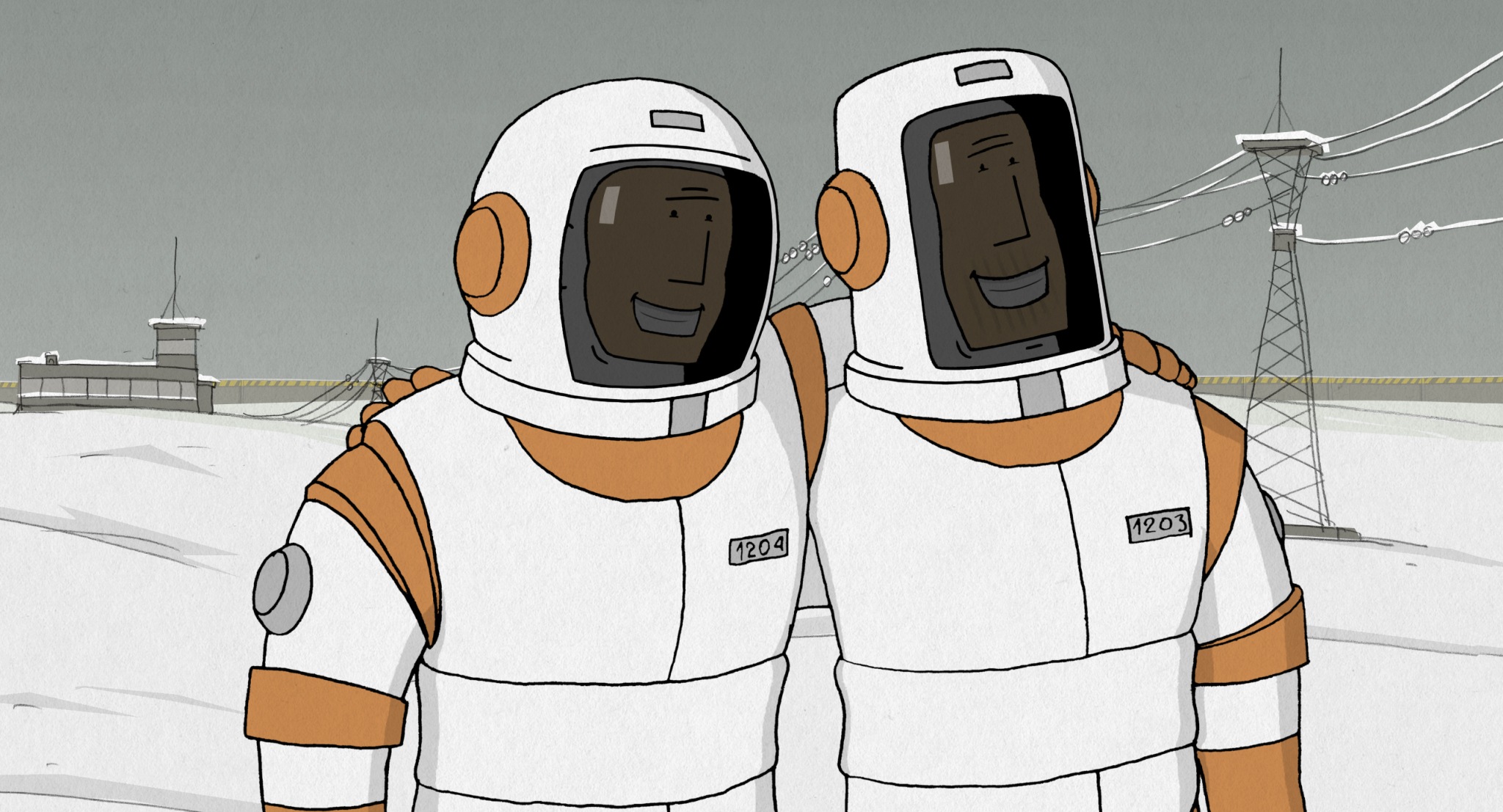
I was very surprised to see Konstantin Bronzit's "We Can't Live Without Cosmos" featured as part of The New Yorker's "The Screening Room" series. Now that I've seen it, it seems unlikely to beat out either Hertzfeldt's strange-but-wonderful fable or the 800-lb gorilla of Pixar and "Sanjay's Super Team." But it's charming and insightful and a bit sad all on its own, and I'm glad to have had a chance to see it before it fades into the background after The Big, Glamorous Night.
Today's music? "Mein Vater," from Handel's setting of "The Brockes Passion." The pleading, supplicating tone of the music in the opening bars is amazing (and wonderfully Lenten). The entire Passion is pretty amazing, as well, though some of it is feels too Handel-y/cheerful for anything but a Sunday.
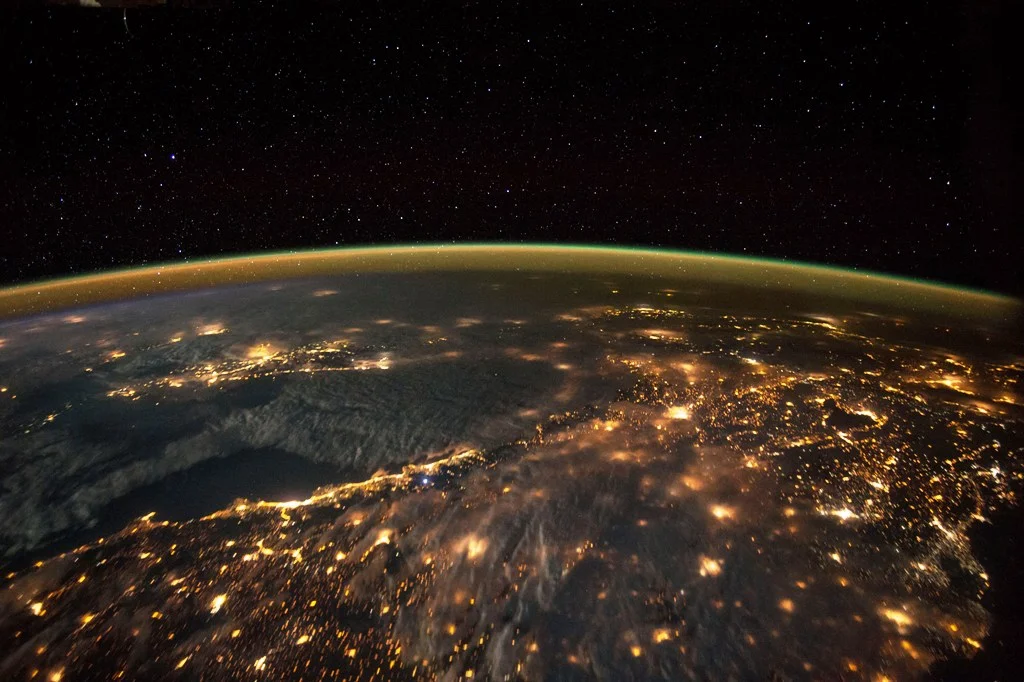
Put together by the good-and-talented folks at AustronautiCAST, the official Facebook channel and publicity arm of the Italian Space and Astronautics Association (ISAA). If the Aurora Borealis section doesn't take your breath away, you might want to double-check to see if you're actually alive. Gorgeous.
"Setting this text was such a lonely experience, and even now just writing these words I am moved to tears. I wrote maybe 200 pages of sketches, trying to find the perfect balance between sound and silence, always simplifying, and by the time I finished a year later I was profoundly changed. Older, I think, and quieted a little. I still have a hard time listening to the recording."
From Great Big Story: "Imagine an island filled only with rabbits. Okunoshima is a small island in Japan’s Inland Sea. It's called 'Rabbit Island' because of the thousands of feral rabbits that roam the land. No one knows exactly how they got there, but since the end of World War II, the rabbits have been doing what they do best … multiplying."
There's something about this particular text that always feels incredibly "Passion-time-y" to me, because I always imagine God the Father using David's words with reference to Jesus. (Like all analogies about God, it breaks down eventually. Immediately, even. But I find it incredibly powerful and comforting, all the same.)
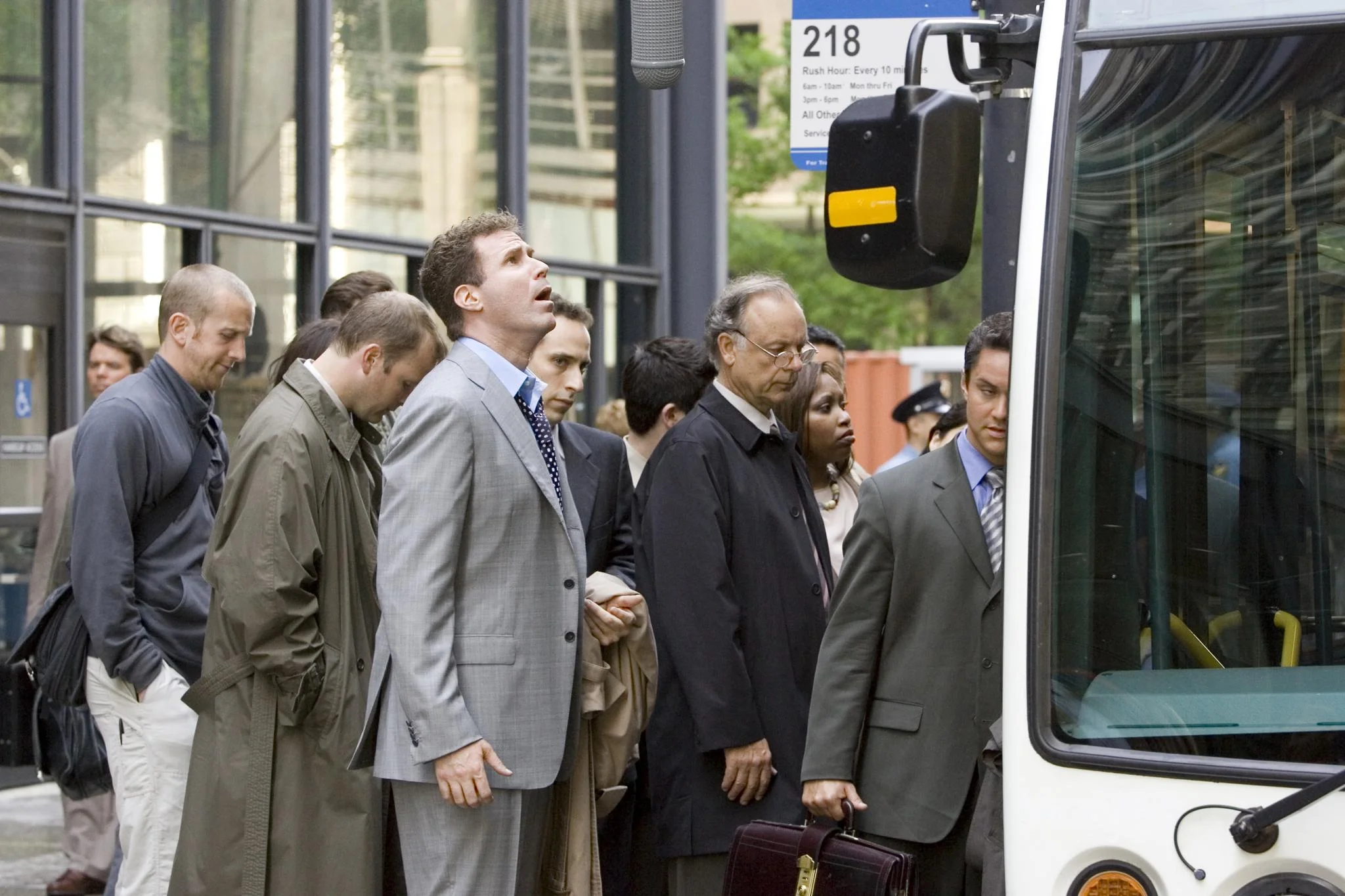
it's a surprisingly effective (and not wildly-over-the-top) turn from Ferrell that makes the film work. ...or at least he's the cast member most responsible for its success. Because the real star is Zach Helm's nimble and charmingly idiosyncratic script, which takes an idea that feels arch and overly-cutesy on paper and makes it both insightful and moving.
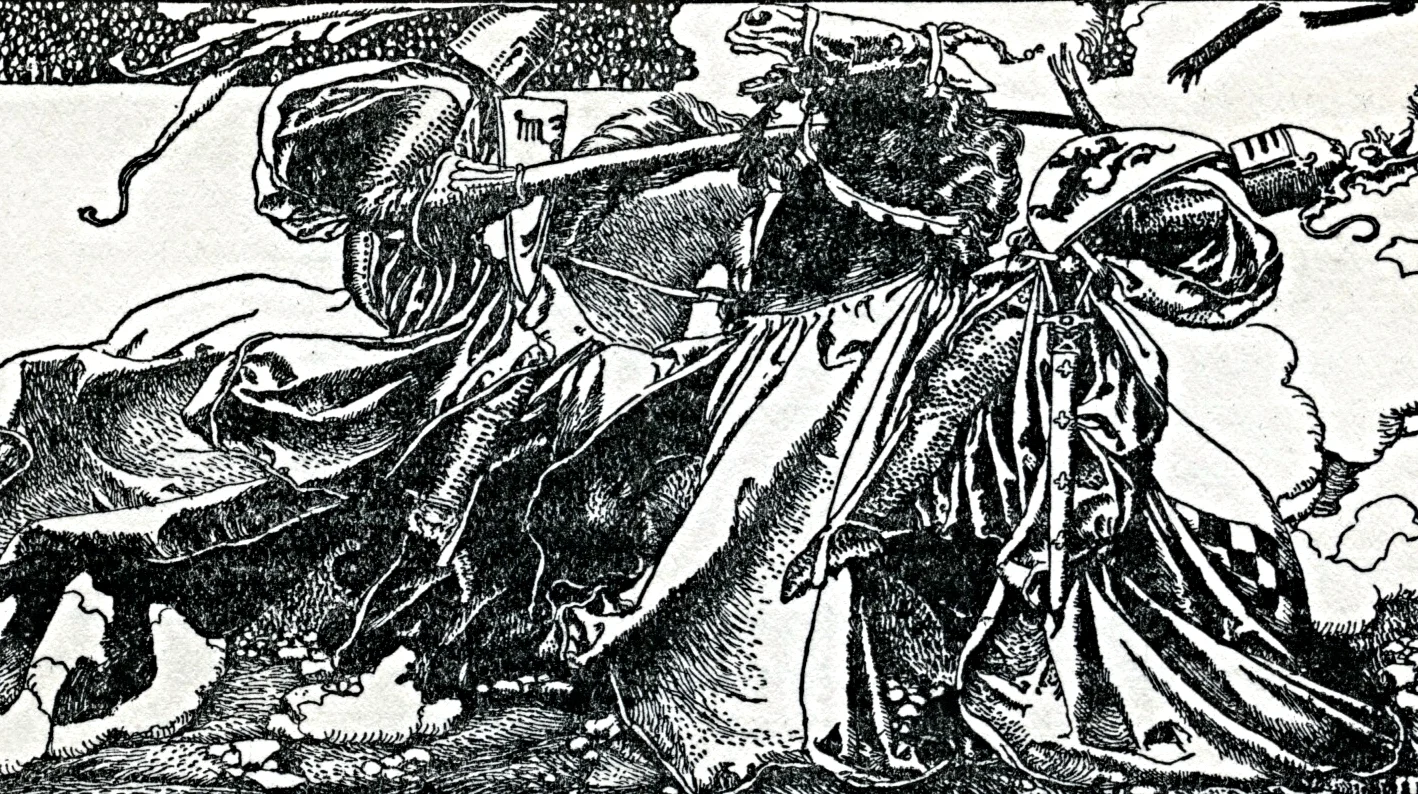
But you know what else that Opus post helped me to realize? That Pyle had formed me not only through his own works, but through his profound impact on the only other person (with the possible exceptions of Gary Larson and Bill Watterson) who influenced my youthful imagination more than he himself had done: N. C. Wyeth, whose days as a 19-year-old student at Pyle's Brandywine School played a huge role in his style (and success.)
Last year, as part of my Lenten observance, I posted a bit of sacred music each and every day. I was a little surprised (and really pleased) with how well it worked, giving me a nice bit of focus, both spiritually and blog-wise. So I'm going to try it again, starting with the Polish composer Feliks Nowowiejski's setting of the traditional "Parce Domine," which comes from his "Kreuzauffindung (The Finding of the Cross)" oratorio.
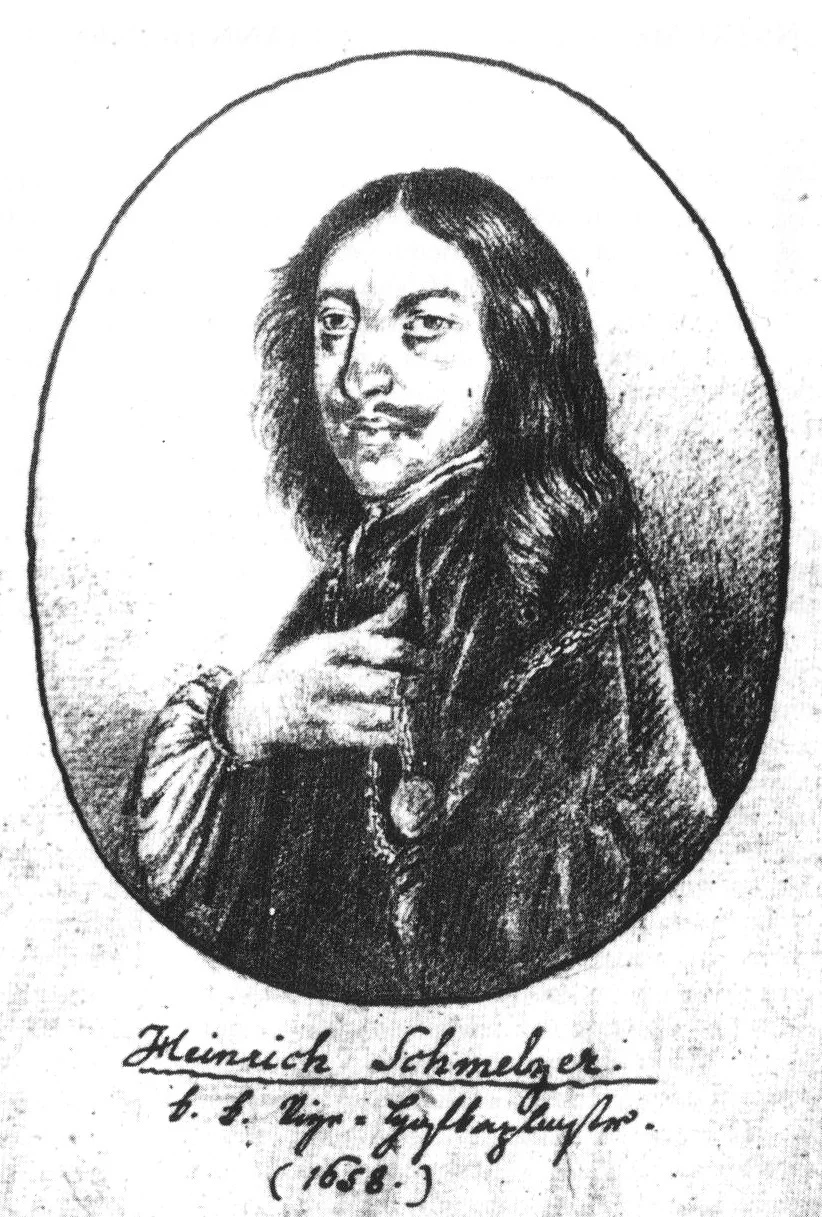
I'm letting myself slightly off the hook do to Wikipedia's account that "almost nothing is known about his early years." Please ignore the next line that claims he "enjoyed a close relationship with Emperor Leopold I, was ennobled by him, and rose to the rank of Kapellmeister in 1679." Or the subsequent claim that he "was one of the most important violinists of the period, and an important influence on later German and Austrian composers for violin." Or that he "was the foremost Austrian composer of instrumental music of his day."
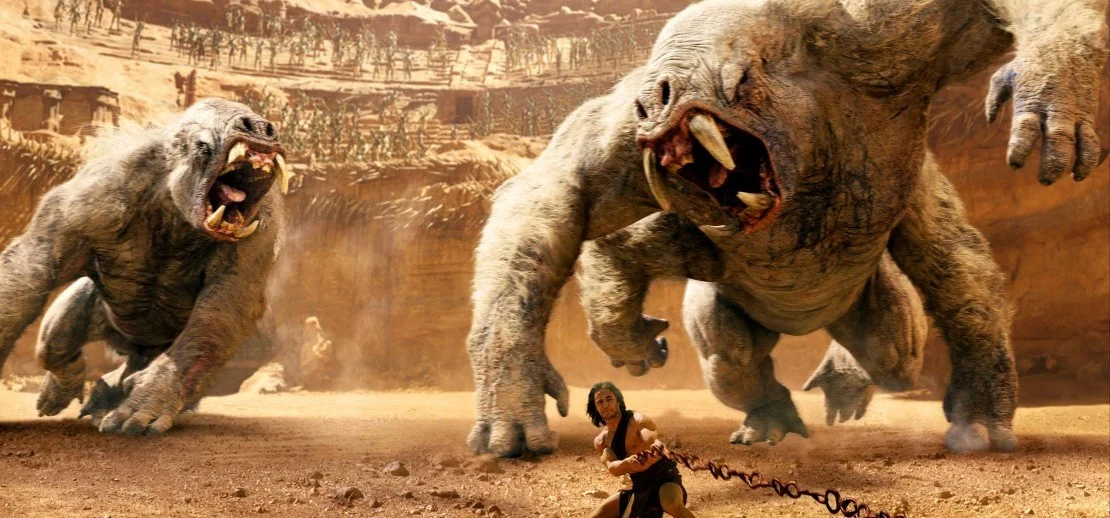
OK, so that's not quite the same thing as being doomed by your greatness, I suppose. But it does seem fair to say that Stanton's film was at least somewhat doomed by the greatness -- or by the great influence -- of its source material. Isn't that ironic? Your work is dismissed as predictable and derivative, yet it's really everyone else's work that's borrowing from you (or from your source), not the other way 'round.
I discovered that it's not terribly easy to find versions from many classic German performers. Not because there are no available recordings, but because they're frequently not evenin Italian; they're in German. And the German sounds incredibly weird, especially after listening to so many Italian versions in such quick succession.